



90s Japanese fashion split into two very different worlds moving at the same time. On one side, teenagers in Shibuya and Harajuku built entire subcultures around loose socks, platform boots, and imported American workwear. On the other, designers like Rei Kawakubo and Yohji Yamamoto kept pushing deconstructed tailoring onto international runways. That work then fed ideas back into the street. Neither side looked like the other. That tension is exactly what made the decade so distinct.
What Made 90s Japanese Fashion So Distinct
Most Western coverage of 90s Japanese fashion flattens the decade into a single image. Usually it’s ganguro girls with bleached hair and deep tans. That look was real, but it only fully emerged toward the end of the decade. Earlier years looked completely different, and several trends ran in parallel rather than one replacing the next.
The split mattered because youth fashion in this era wasn’t really about following adult designers. Teenagers built their own visual codes instead. Often this happened through school-uniform subcultures, music scenes, or tiny backstreet boutiques that adults barely knew existed. Understanding 90s Japanese fashion means tracking several of these separate scenes. It’s not about looking for one defining look.
9 Trends You Need to Know
1. Ura-Harajuku Streetwear
In April 1993, Nigo and Jun Takahashi opened a small shop called Nowhere in the back streets of Harajuku. This area became known as Ura-Harajuku, or “hidden Harajuku.” Half the shop sold Takahashi’s Undercover line; the other half sold Nigo’s own picks, which soon evolved into his brand A Bathing Ape (BAPE). This backstreet scene became the seedbed for Japanese streetwear as a serious category. It was built on limited runs and word-of-mouth hype rather than mainstream advertising.
2. Shibuya-Kei Fashion
Shibuya-kei started as a music genre. Bands like Pizzicato Five and Cornelius blended 60s European pop, lounge, and jazz influences, and the fashion that grew around it followed the same retro, cosmopolitan logic. Fans dressed in vintage-inspired silhouettes borrowed from French and Italian style rather than American streetwear. This set the scene apart visually from almost everything else happening in Shibuya at the time.
3. Kogal (Kogyaru) Street Style
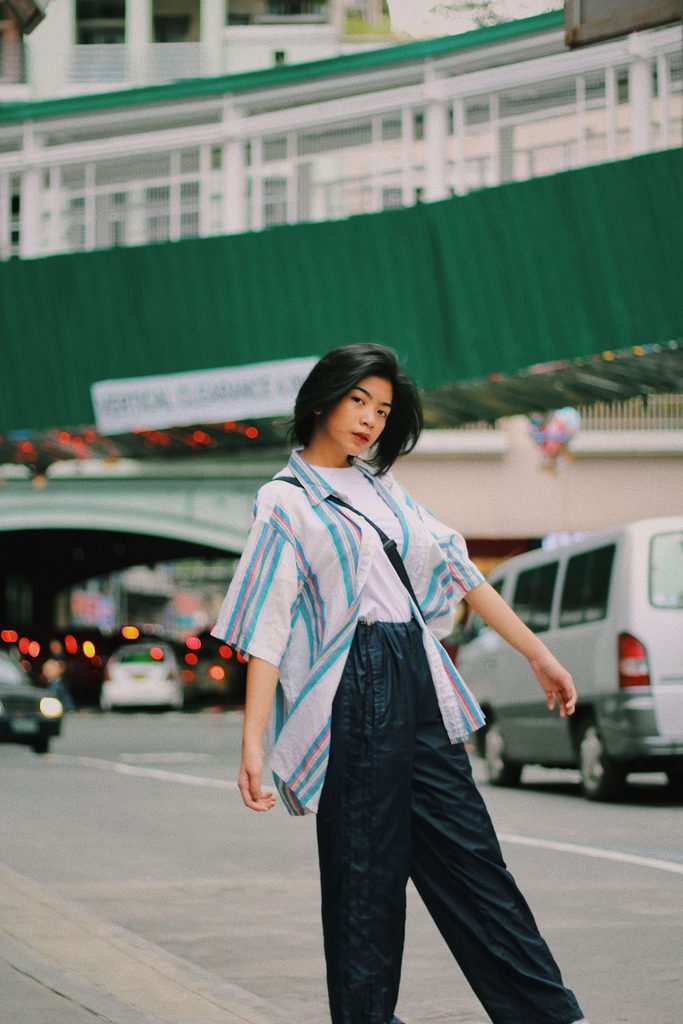
Kogal fashion took the standard Japanese school uniform and pushed it into street style: shortened skirts, loosened blazers, and branded accessories worn alongside the uniform rather than instead of it. It wasn’t rebellion against the uniform so much as a reinterpretation of it. That’s part of why it spread so fast among high schoolers who couldn’t otherwise change what they wore to class.
4. The Amuraa Look
Singer Namie Amuro became one of the most visually influential figures of the mid-90s. Fans who copied her tanned skin, platform boots, and highlighted hair earned the nickname “Amuraa.” This wasn’t organic street fashion in the same sense as Ura-Harajuku. It was fandom translated directly into a style, and that shows how much influence Japanese pop idols had over youth fashion in this period.
5. Ganguro
Ganguro pushed the tanned aesthetic further and darker, adding bleached or dyed hair, white eye and lip makeup, and deliberately exaggerated contrast. It’s the image most associated with 90s Japanese fashion internationally. But it’s genuinely a late-decade development rather than something present throughout the 90s, so treating it as representative of the whole era misreads the timeline.
6. Visual Kei-Influenced Street Fashion
Visual kei bands like X Japan built a glam-rock aesthetic around elaborate hair, dramatic makeup, and androgynous silhouettes. Fans translated that into everyday street style. Unlike kogal or ganguro, this trend crossed gender lines more freely, since the core visual language wasn’t tied to a specific uniform or body type.
7. Amekaji (American Casual)
Amekaji took American workwear, vintage denim, and college-jacket styling and reworked it through Japanese magazines and specialty stores. What made it distinct wasn’t the source material. It was the obsessive attention to detail Japanese amekaji retailers brought to sourcing and replicating authentic vintage American pieces, often more precisely than the originals were made.
8. Loose Socks (Ruuzu Sokkusu)
Loose, slouchy socks worn bunched around the ankle became such a defining accessory that they functioned almost as a subculture on their own. They stayed tightly linked to kogal style but were recognizable even without the rest of the uniform-based look. Specialty glue and sock holders even existed just to keep them slouched in exactly the right way.
9. Deconstructed High Fashion
While street subcultures were building their own visual language, established designers like Comme des Garçons and Yohji Yamamoto continued showing asymmetric, deconstructed silhouettes on international runways. This high-fashion current didn’t dominate street style the way BAPE or kogal did. But it kept shaping how Japanese fashion was perceived abroad throughout the decade.
Where People Get the Timeline Wrong
The most common mistake is treating 90s Japanese fashion as one continuous look. Ganguro, in particular, gets projected backward onto the entire decade. In reality, it’s a late-90s phenomenon that overlaps more with the early 2000s than with, say, the Shibuya-kei scene of a few years earlier.
A second mistake is assuming all these trends came from the street. The Amuraa look didn’t emerge from teenagers experimenting independently — it followed a specific celebrity almost directly. Confusing idol-driven fashion with organic subculture erases an important distinction in how these trends actually spread.
Where the Standard Narrative Breaks Down
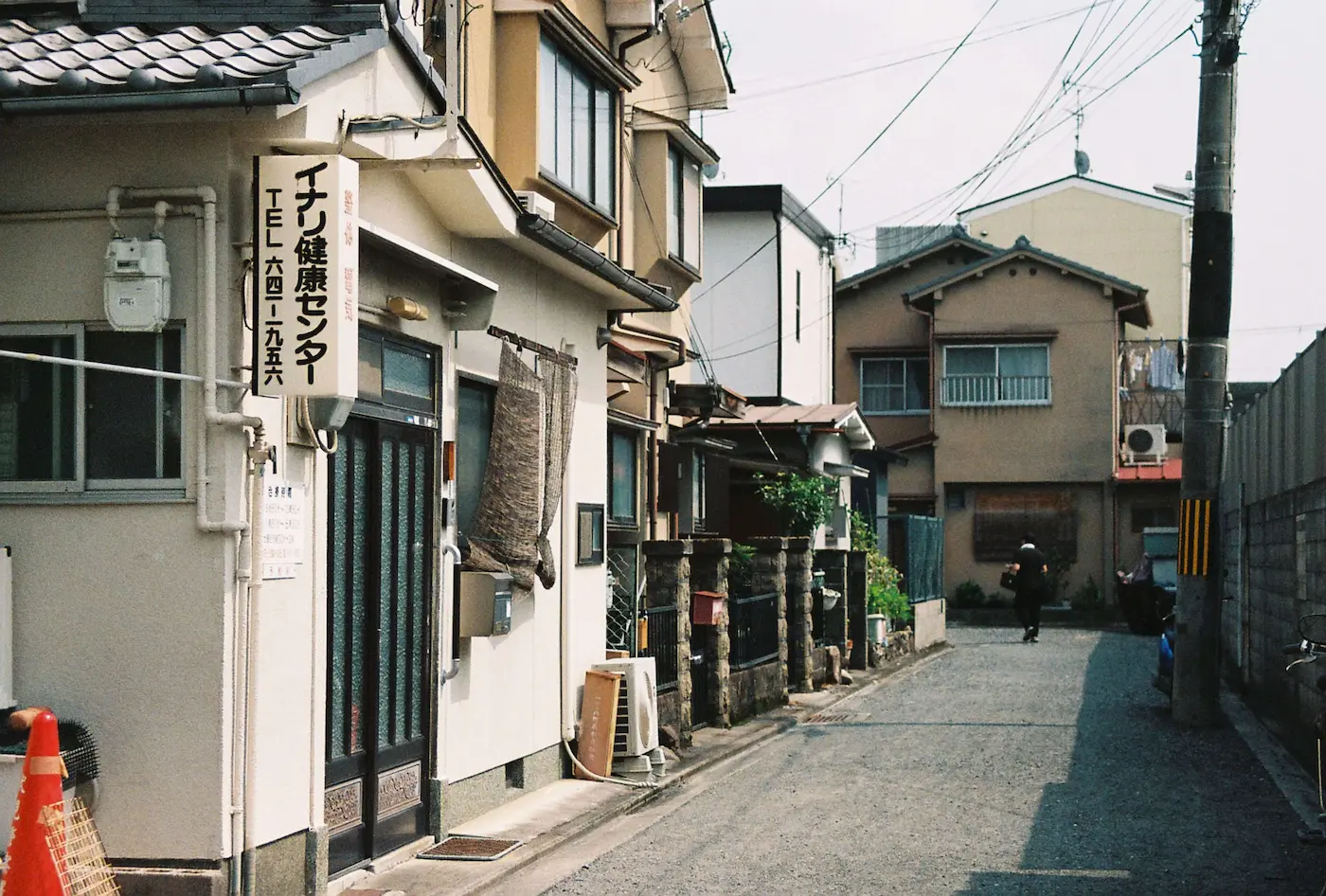
Most retrospectives focus heavily on Tokyo, and specifically on Shibuya and Harajuku, because that’s where the visible subcultures concentrated. But this geographic focus means regional variation across Japan gets almost no coverage in most English-language sources. So it’s worth treating any broad claim about “what Japanese people wore in the 90s” as really a claim about specific Tokyo youth scenes rather than the country as a whole.
90s Japanese Fashion Trends Compared
| Trend | Scene/Origin | Signature Element | Peak Period |
|---|---|---|---|
| Ura-Harajuku streetwear | Backstreet Harajuku boutiques | Limited-run graphic tees, BAPE camo | Early-to-mid 90s |
| Shibuya-kei | Music scene (Pizzicato Five, Cornelius) | Retro European-inspired silhouettes | Early-to-mid 90s |
| Kogal | High school uniform culture | Shortened skirts, branded accessories | Mid 90s |
| Ganguro | Shibuya street style | Deep tan, bleached hair, white makeup | Late 90s |
FAQs
Was ganguro the most popular 90s Japanese fashion trend?
It became the most internationally recognized, but it wasn’t the most widespread trend throughout the decade. Ganguro emerged toward the end of the 90s and overlapped heavily with the early 2000s. Trends like kogal and Ura-Harajuku streetwear were active earlier and for longer stretches.
What’s the difference between kogal and ganguro?
Kogal centers on a modified school uniform look — shortened skirts, loose socks, branded bags. Ganguro is a specific beauty and makeup style built around deep tanning and bleached hair, and it often appeared alongside kogal elements rather than replacing them entirely.
Did 90s Japanese streetwear influence Western fashion?
Yes, particularly through brands like A Bathing Ape and Undercover, which built cult followings that eventually reached international streetwear audiences well beyond Japan. Their influence became more visible globally in the 2000s as these brands expanded. Their roots still trace back to the early-90s Ura-Harajuku scene.
Why does Namie Amuro come up so often in 90s Japanese fashion discussions?
Her visual style — tanned skin, platform boots, highlighted hair — was widely copied by fans who became known as “Amuraa.” That makes her one of the clearest examples of a single celebrity directly shaping a street fashion trend, rather than the trend emerging organically among teenagers first.