


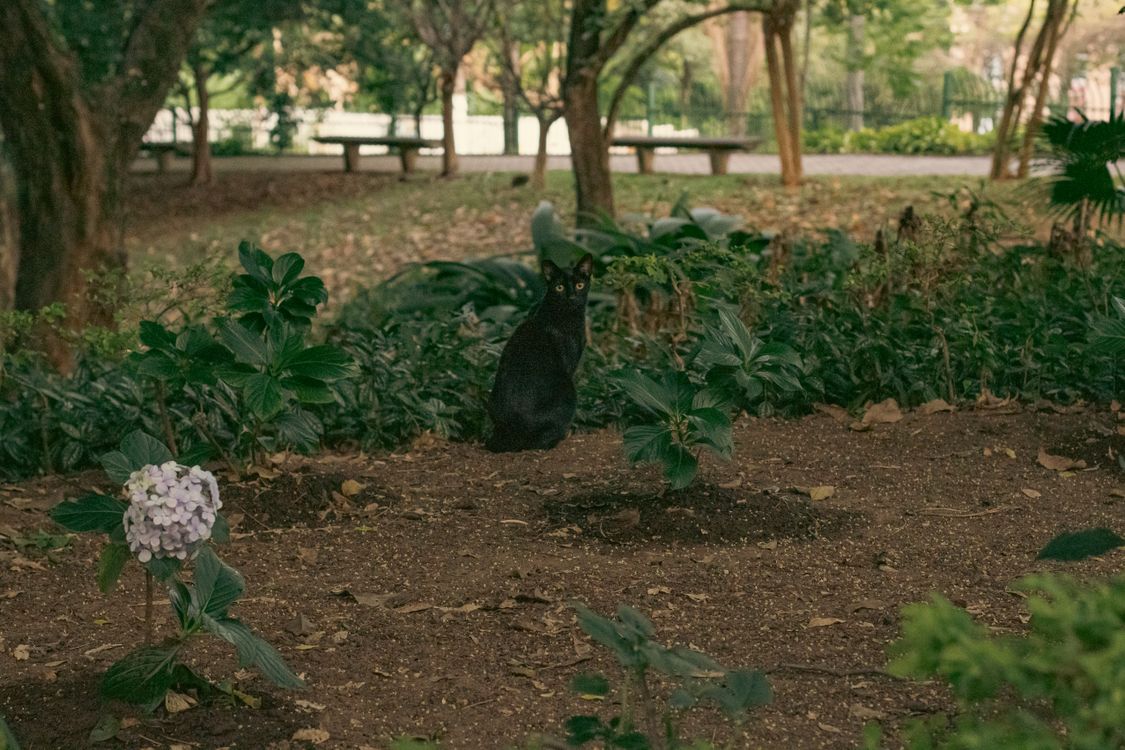
Are snapdragons toxic to cats? No. Snapdragons are safe for cats. The ASPCA lists the common snapdragon (Antirrhinum majus) on its non-toxic plant list for cats. That makes snapdragons a smart cut-flower choice for cat homes. You can enjoy their tall, colorful spikes without the fear linked to lilies. Still use care. Vase water, fertilizers, and mixed bouquets can bring risks that the snapdragons alone do not.
Are snapdragons toxic to cats?
No, snapdragons are not toxic to cats. The ASPCA lists Antirrhinum majus, called common snapdragon or garden snapdragon, under plants non-toxic to cats. It does not list snapdragons among plants toxic to cats. That clear placement is why vets and poison-control resources treat snapdragons as a cat-safe flower choice.
Snapdragons come in almost every color. Their blooms open like tiny mouths when you squeeze them. That playful shape makes them a florist favorite. It also makes them tempting to cats. A safe listing matters here. A curious cat will often test a new bouquet within minutes of its arrival.
The ASPCA entry is specific. It gives the family as Scrophulariaceae. It lists the toxicity line in full. Snapdragons are non-toxic to dogs, cats, and horses. You can check the ASPCA common snapdragon entry yourself. Use the scientific name when you search. Common names can repeat across species.
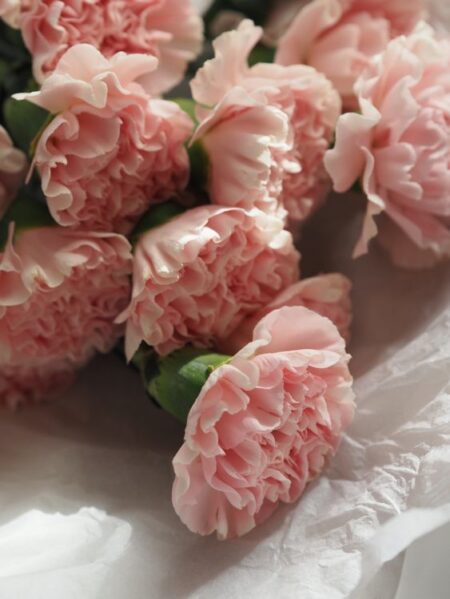
That sets snapdragons apart from many bouquet staples. Our pillar guide asks, are carnations toxic to cats? The answer there is yes, though mildly. Carnations can cause mild stomach upset and skin irritation. Snapdragons carry no such ASPCA warning. For a cat home, that is a clean difference. It helps you choose flowers with confidence.
What happens if a cat eats snapdragons?
Most cats that nibble snapdragons have no poisoning reaction, because the plant is non-toxic to cats per the ASPCA. A cat that eats a lot of any plant may still vomit or have loose stool from the fiber alone. Watch your cat, remove plant pieces, and call your veterinarian if signs persist.
Cats nibble for simple reasons. New objects smell interesting. Petals move when air flows past them. Stems feel good to chew. A tall spike invites batting first, then biting. Kittens explore with their mouths. Bored indoor cats do the same. The behavior is normal, even when the plant itself is safe.
So a nibble rarely means trouble here. Still, watch the amount. A few bites of petal differ from a whole stem. Large amounts of any plant matter can fill the stomach with fiber. That alone can trigger vomiting. It can also cause loose stool for a day.
Then take these simple steps:
- Remove fallen petals and stems from reach.
- Offer fresh drinking water in a clean bowl.
- Watch appetite, energy, and litter-box habits.
- Do not induce vomiting unless a vet tells you to.
- Call your vet if vomiting repeats or your cat hides.
Also call sooner for kittens and senior cats. The same applies to cats with health issues. When in doubt, ask a professional. That advice holds for every plant, safe or not.
Are mixed bouquets with snapdragons safe?
A mixed bouquet is only as safe as its most dangerous flower. Snapdragons themselves are non-toxic, but florists often mix them with lilies, carnations, chrysanthemums, or tulips. Those additions can be toxic to cats. Check every stem by name before you bring a mixed arrangement into a cat home.
Florists build mixed bouquets for color, not pet safety. One bunch can hold six species. Labels rarely name them all. Ask the florist for a full stem list before you pay. Then check each name in the ASPCA database. If a stem is toxic, ask for a safe swap.
True lilies need special care. The ASPCA lists Lilium species as toxic to cats. Effects can include vomiting and kidney failure. Even lily pollen can matter if a cat grooms it off its coat. Never accept lilies in a bouquet for a cat home. Ask for snapdragons, roses, or orchids instead.
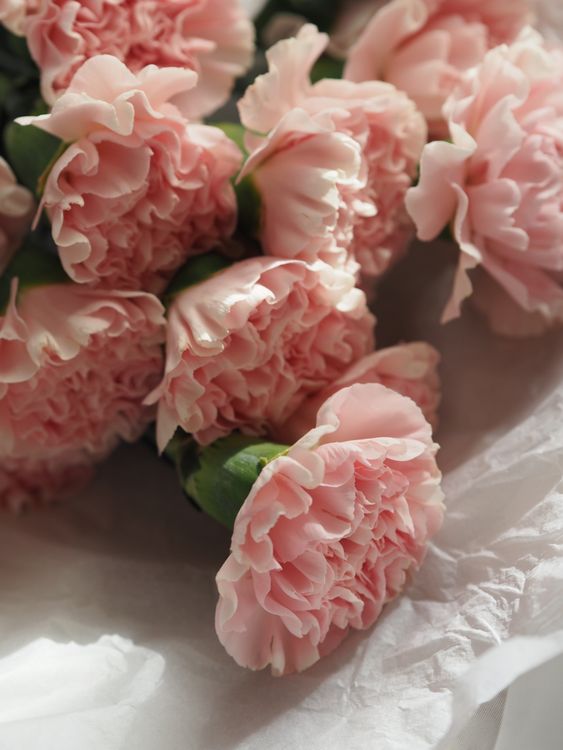
Carnations are a quieter risk in mixed bunches. They look harmless and they last well. Yet the ASPCA lists them as toxic, with mild effects. Our guide on whether carnations are toxic to cats explains the signs in detail. Use it when a gift bouquet arrives and you need a fast check.
How can you keep cats out of flower vases?
Place the vase where your cat cannot reach it, and make it hard to tip. Use a heavy, wide-based vase in a closed room or high spot. Change the water often. Never let your cat drink vase water, especially after flower food or fertilizer has been added to it.
No single trick works for every cat. Combine placement, vase choice, and a better option to chew. Most cats lose interest within days. These steps help until then:
- Use a closed room for gift bouquets.
- Pick a heavy vase with a narrow neck.
- Change vase water daily, and pour old water away.
- Skip flower food if your cat may reach the vase.
- Clean up fallen petals and leaves each day.
- Offer cat grass as a legal thing to chew.
- Play with your cat before you place fresh flowers.
Also skip essential-oil sprays around cats unless your vet approves them. A scent that deters one cat may harm another. If your cat keeps jumping up, move the flowers. A closed door beats a daily battle. Safety should not depend on training alone.
Which bouquet flowers are safe or unsafe for cats?
Snapdragons, roses, gerbera daisies, orchids, and zinnias are listed by the ASPCA as non-toxic to cats. True lilies, carnations, chrysanthemums, tulips, and daffodils are listed as toxic. Use the table below to check common bouquet flowers quickly, then verify each full scientific name in the ASPCA database before you buy.
| Flower | Scientific name | Toxic to cats? | ASPCA note |
|---|---|---|---|
| Snapdragon | Antirrhinum majus | No | Non-toxic to cats |
| Rose | Rosa species | No | Non-toxic to cats |
| Gerbera daisy | Gerbera jamesonii | No | Non-toxic to cats |
| Phalaenopsis orchid | Phalaenopsis species | No | Non-toxic to cats |
| Zinnia | Zinnia species | No | Non-toxic to cats |
| True lily | Lilium species | Yes | Toxic to cats |
| Carnation | Dianthus caryophyllus | Yes | Mild stomach signs; mild dermatitis |
| Chrysanthemum | Chrysanthemum species | Yes | Toxic to cats |
| Tulip | Tulipa species | Yes | Toxic to cats |
Read the table with care. The name lily appears in many plant names. Not all of them are true lilies. Peace lilies and calla lilies are different species. The ASPCA also lists them as toxic, for other reasons. When in doubt, search the exact scientific name. The ASPCA Toxic and Non-Toxic Plant List for cats is free and quick.
Safe does not mean salad. Even non-toxic flowers can upset a stomach in quantity. Safe also does not cover sprays used by growers. Ask your florist what was used on the stems. Keep bouquets as decor, not as cat food. That simple rule keeps a safe flower safe.
Frequently asked questions
These short answers cover the questions cat owners ask most about snapdragons and bouquets. They follow the ASPCA listings used throughout this guide. When a flower is not listed here, check its scientific name before you buy it. Names matter. Two flowers with similar common names can carry very different risks for cats.
Are snapdragons poisonous to cats?
No. The ASPCA lists the common snapdragon (Antirrhinum majus) as non-toxic to cats. Poisonous and toxic mean the same thing in this context. Snapdragons sit on the safe side of the list. Still supervise first contact. A cat can react to any new plant with mild stomach upset from eating too much.
Can cats eat snapdragon petals?
A few petals should not poison your cat, per the ASPCA listing. Petals are not cat food, though. Eating many petals can cause vomiting or loose stool from the fiber. Gently move the bouquet away. Offer cat grass instead. Call your vet if signs last more than a day.
Are snapdragons toxic to dogs too?
No. The ASPCA snapdragon entry says non-toxic to dogs, cats, and horses. That makes snapdragons a rare bouquet flower that suits multi-pet homes. Still check the rest of the bouquet. A flower that is safe for cats may not suit every pet in your home in the same way.
What should I do if my cat drinks vase water?
Move the vase out of reach and offer fresh water. Vase water can hold bacteria as stems decay. It can also hold flower food or fertilizer. Those additives are the real concern, not the snapdragons. Call your vet if your cat vomits, drools, or refuses food after drinking it.
How can I check whether a bouquet flower is safe for my cat?
Search the ASPCA Toxic and Non-Toxic Plant List by scientific name. Check the toxicity line for cats before you buy. Ask your florist for the full stem list in mixed bouquets. If you cannot identify a stem, leave it out. A smaller, known bouquet beats a large, unknown one.