



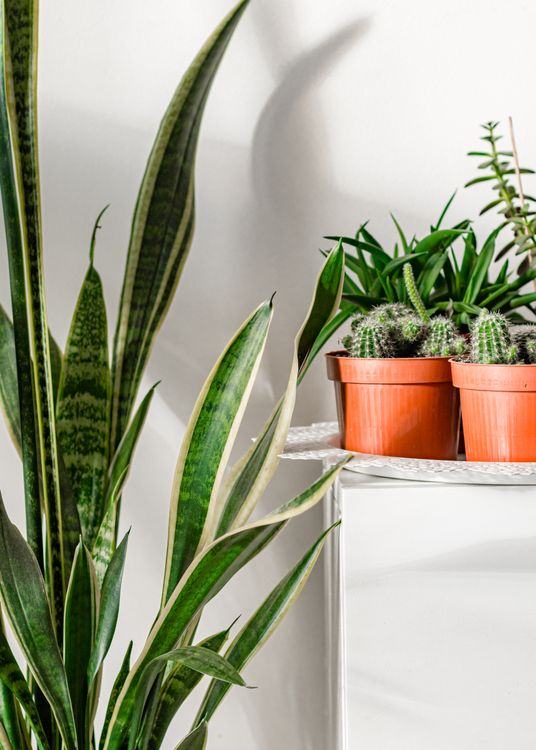
Are snake plants safe for cats? No, they are not safe. The ASPCA lists the snake plant (Sansevieria trifasciata) as toxic to cats. Its toxic principles are saponins. If a cat chews or eats this plant, the ASPCA lists nausea, vomiting, and diarrhea as clinical signs. Keep snake plants away from cats, and consult a veterinarian promptly if your cat eats any part of one.
Are snake plants safe for cats?
No, snake plants are not safe for cats. The ASPCA lists the snake plant as toxic to cats and dogs. It is also called Mother-in-Law’s Tongue, Golden Bird’s Nest, and Good Luck Plant. Its scientific name is Sansevieria trifasciata. Do not treat it as a cat-safe houseplant, even if your cat has ignored it so far.
Snake plants are popular houseplants. Their tall, stiff leaves suit modern rooms. They also need little attention. That mix makes them easy to buy on impulse. However, easy care does not mean cat safe. For cats, this plant belongs on the toxic list.
Check the name before you trust any label. You may also see this plant sold as Dracaena trifasciata. That is a newer name for the same plant. Common names vary too. None of those names change the answer. The ASPCA entry for snake plant gives one clear result. So, when friends ask, are snake plants safe for cats, start with the short answer.
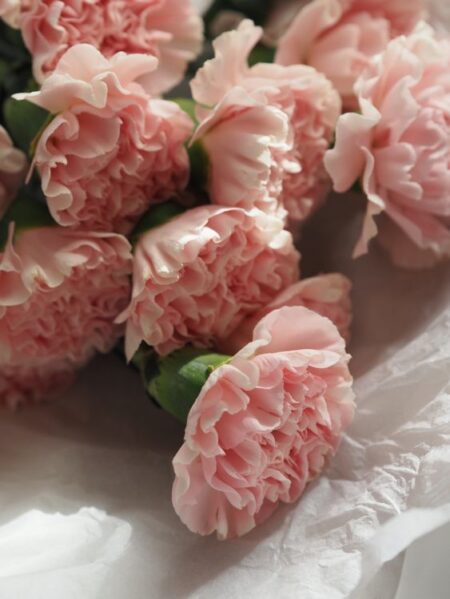
Read the ASPCA snake plant entry yourself before you buy. Also, compare flowers with care. Our guide, Are Carnations Toxic to Cats?, is the pillar guide for this topic. It shows how another common plant rates for cats.
Why are snake plants toxic to cats?
Snake plants are toxic to cats because they contain saponins. The ASPCA lists saponins as the plant’s toxic principles. That listing applies to the snake plant named Sansevieria trifasciata, in the family Agavaceae. Saponins are the reason the ASPCA classifies this plant as toxic, so cats should not chew or eat its leaves.
The ASPCA gives facts, not long warnings. It lists the plant clearly. Scientific name: Sansevieria trifasciata. Family: Agavaceae. Toxicity: toxic to dogs and toxic to cats. Toxic principles: saponins. Clinical signs: nausea, vomiting, and diarrhea. Those five lines answer the safety question in full.
So, do not rely on guesswork. A plant can look tough and still be toxic. Also, a plain label like ‘pet friendly’ is not proof. Check the scientific name instead. Then match it to the ASPCA list. Saponins are the key fact here. That fact alone is enough reason to act. That is also why the answer to are snake plants safe for cats stays no.
What happens if a cat chews a snake plant?
If a cat chews a snake plant, watch for nausea, vomiting, and diarrhea. Those are the only clinical signs the ASPCA lists for snake plant in cats. The ASPCA does not list other signs for this plant. If you see these signs, or you saw your cat eat the plant, consult a veterinarian for advice.
Use the ASPCA list as your checklist. First, look for nausea. Next, watch for vomiting. Then, watch for diarrhea. The ASPCA lists no other clinical signs for this plant. That short list keeps this guide honest. We will not add signs the ASPCA does not state. Many owners ask, are snake plants safe for cats, only after they find a chewed leaf.
Still, signs are a reason to act fast. Do not wait to see if signs get worse. Do not guess how much your cat ate. Note what you saw. Note when you saw it. Then share those facts with a veterinarian. Clear notes help you explain the problem quickly.
What should you do if your cat ate snake plant?
Move the plant away from your cat first. Then consult a veterinarian promptly. The ASPCA also says to contact your local veterinarian as soon as possible if you suspect ingestion of a toxic substance. You can also call ASPCA Poison Control. Do not wait for signs to appear before seeking professional advice about your cat.
Follow these steps in order:
- Move the plant out of reach. Move your cat to a safe room too.
- Check for leaf pieces near your cat. Save a photo of the plant for the vet.
- Call a veterinarian right away. Describe the plant, the amount, and the time.
- Or call ASPCA Poison Control at (888) 426-4435. The ASPCA notes that a consultation fee may apply.
- Follow the advice you get. Do not try home treatment on your own.
In short, treatment advice is simple here. Consult a veterinarian. This guide does not offer home cures. It does not suggest medicine. Only a professional who knows your cat can advise you. That limit protects your cat. It also keeps the advice clear in a stressful moment.
Where can you keep a snake plant away from cats?
Keep a snake plant in a room your cat cannot enter. A closed door is the most reliable barrier. High shelves alone may not stop a climbing cat. Check fallen leaves and remove them quickly. If you cannot keep the plant fully separate from your cat at all times, consider rehoming the plant instead.
These spots work best:
- A closed office. Keep the door shut at all times.
- A spare room. Use it for plants, not for cat play.
- A room with a latch. Some cats learn to push loose doors open.
However, height alone is a weak plan. Cats climb shelves and counters with ease. A tall stand does not make a toxic plant safe. Also, check the floor each day. Pick up fallen leaves at once. Finally, tell guests the rule. One open door can undo your whole system.
Which tall houseplants are safer alternatives?
Parlor palm and Boston fern are safer tall-plant options. The ASPCA lists parlor palm (Chamaedorea elegans) as non-toxic to cats. It also lists Boston fern (Nephrolepis exalta bostoniensis) as non-toxic to cats. Always check the scientific name before you buy, because common plant names can overlap and cause confusion at the store.
Parlor palm gives you height and soft fronds. It can stand in a corner like a snake plant does. Boston fern gives you full, arching leaves. Place it on a tall stand or hang it high. Both choices keep the tall look. Both appear on the ASPCA list as non-toxic to cats.
Before you buy, check each plant twice. Match the shop label to the scientific name. Then search that name on the ASPCA site. Common names can mislead you. Scientific names are far more exact. This habit takes two minutes. It can save your cat from a toxic mistake.
Want another plant check? Read our guide, Are Pothos Toxic to Cats?, next. Pothos is a common trailing plant in many homes. Its answer is different from the safer picks above. Checking first is always the smart move.
Frequently asked questions
Many readers start with one question: are snake plants safe for cats? These short answers cover the questions cat owners ask most often. Each answer uses the ASPCA listing for snake plant. Snake plant is toxic to cats. Its toxic principles are saponins. Its listed signs are nausea, vomiting, and diarrhea. When in doubt, consult a veterinarian.
Are snake plants poisonous to cats?
Yes, they are. The ASPCA uses the word toxic for snake plants and cats. It lists saponins as the toxic principles. It lists nausea, vomiting, and diarrhea as clinical signs. Keep the plant away from your cat. Consult a veterinarian if your cat eats it.
Can a cat die from eating a snake plant?
The ASPCA listing does not say that. It lists only nausea, vomiting, and diarrhea for snake plant. This guide will not guess beyond that list. Still, treat every case with care. Move the plant away. Then consult a veterinarian promptly for advice about your own cat.
Are snake plants toxic to dogs too?
Yes, they are. The ASPCA lists snake plant as toxic to dogs and toxic to cats. It gives the same toxic principles, saponins. It also gives the same clinical signs. Keep the plant away from dogs too. Consult a veterinarian if a dog eats this plant.
Can my cat be in the same room as a snake plant?
The safest choice is a separate, closed room. That setup keeps your cat away from the leaves. A cat should not chew or eat this plant. If the door stays open, the setup fails. Choose full separation every time. That rule is simple to follow at home.
How can I check whether a plant is safe for my cat?
Search the ASPCA Toxic and Non-Toxic Plants list first. Use the scientific name, not just the common name. Check the Toxicity line for cats. If the list says toxic, do not buy it for a cat room. If you are unsure, consult a veterinarian before you buy.