




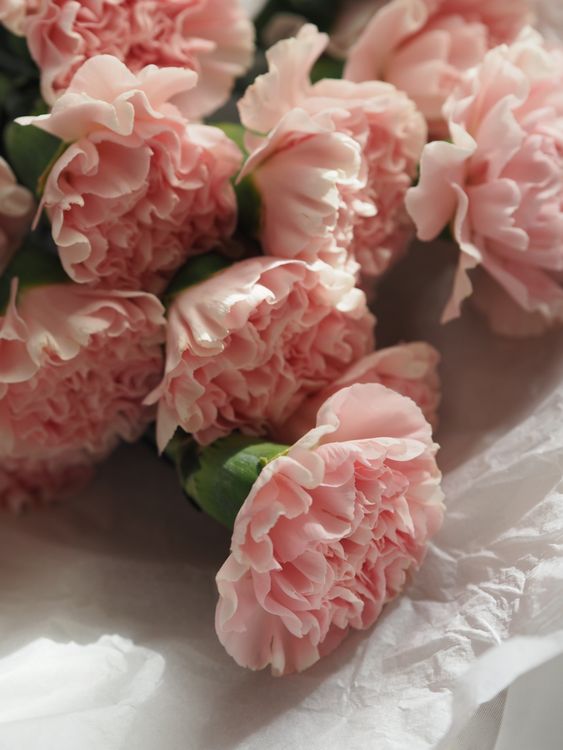
Are carnations toxic to cats? Yes. The ASPCA lists carnations (Dianthus caryophyllus) as toxic to cats, dogs, and horses. A cat that chews or eats carnations may develop mild gastrointestinal signs and mild dermatitis. The good news is that carnation poisoning is usually mild compared with far more dangerous flowers like lilies. Still, you should keep carnations out of your cat’s reach and consult your veterinarian if exposure happens.
Are carnations toxic to cats?
Yes. The ASPCA classifies the carnation (Dianthus caryophyllus) as toxic to cats. Its other common names include pinks, wild carnation, and sweet William. The exact toxic principle is listed as an unknown irritant. Toxicity is considered mild, but any cat that nibbles carnation leaves, stems, or petals can develop symptoms.
Carnations rank among the most popular cut flowers in the world. They appear in Valentine’s bouquets, Mother’s Day arrangements, wedding centerpieces, and grocery-store bunches. Because of that popularity, a carnation bouquet will likely enter your home at some point. If you share that home with a cat, you need a plan.
The ASPCA plant database lists the carnation under its scientific name, Dianthus caryophyllus, in the family Caryophyllaceae. Its recorded common names are pinks, wild carnation, and sweet William. For the toxic principle, the ASPCA simply says “unknown irritant.” In other words, scientists have not pinned down the exact compound. What is clear is the effect: the plant irritates cats that chew it.
The ASPCA lists carnations as toxic to cats, dogs, and horses alike. Here, “toxic” does not mean deadly. It means the plant can produce the signs on the ASPCA entry: mild gastrointestinal signs and mild dermatitis. Keep in mind that “mild” describes the typical case. Kittens, senior cats, and cats with chronic illness may react more strongly to even mild stomach upset. So every exposure deserves attention.
Why do cats chew carnations at all? Cats explore the world with their mouths. Ruffled petals and grass-like leaves invite batting and nibbling. Boredom adds to the risk. A cat left alone with a bouquet on a low table will often investigate it. So when pet owners ask “are carnations toxic to cats,” the honest answer is yes, mildly, and prevention is the smart move.
What happens if a cat eats carnations?
If a cat eats carnations, the ASPCA says to expect mild gastrointestinal signs and mild dermatitis. That can mean drooling, nausea, vomiting, or diarrhea, plus skin redness or irritation where the plant touched the skin or mouth. Signs are usually mild and short-lived, but they still warrant a call to your veterinarian.
Let us unpack the ASPCA’s wording, because it is deliberately careful. “Mild gastrointestinal signs” covers stomach and gut upset. In a real cat, that can look like drooling, nausea, vomiting, or diarrhea. “Mild dermatitis” means skin irritation: redness or itchiness where sap or petals touched the skin, mouth, or paws. Note what the ASPCA does not list: organ damage, breathing trouble, or anything life-threatening.
Signs often show up soon after chewing, sometimes within minutes or a few hours. Most cases stay mild and fade on their own. Even so, take every case seriously. A cat that vomits repeatedly, refuses food or water, turns lethargic, or develops spreading skin irritation needs veterinary attention promptly.
Perspective helps here. Not every toxic plant carries the same danger. Carnations sit at the milder end of the scale. Lilies sit at the other end: they can cause kidney failure and death in cats. The comparison table below puts common bouquet flowers side by side so you can react with a clear head.
What should you do if your cat ate carnations?
If your cat ate carnations, remove the plant and any fallen petals from reach right away. Note how much was eaten and watch for signs like vomiting, diarrhea, or skin irritation. Then contact your veterinarian for advice. In the United States, you can also call the ASPCA Poison Control Center at (888) 426-4435.
Stay calm and work through these steps in order:
- Remove the temptation. Take the bouquet and any fallen petals out of your cat’s reach. Check the floor around the vase, since cats love batting loose petals.
- Check your cat. Look at the mouth and paws for plant bits. You can gently wipe the paws with a damp cloth if you see sap or petal fragments.
- Gather facts. Note how much was eaten, which parts (petals, leaves, or stems), and when it happened. A quick photo of the bouquet helps with identification.
- Call your veterinarian. Describe what happened and follow their guidance. Do not induce vomiting. Do not try home remedies unless your vet specifically tells you to.
- Consider poison control. In the US, the ASPCA Animal Poison Control Center at (888) 426-4435 can advise you. The ASPCA notes that a consultation fee may apply.
- Monitor for a day. Watch for vomiting, diarrhea, appetite changes, or skin irritation over the next 24 hours. If signs worsen or new ones appear, call your vet again.
One rule covers every scenario: when in doubt, ask a professional. Guides like this one support your judgment, but they never replace your veterinarian’s advice.
How do carnations compare with lilies and roses?
Carnations sit in the middle of the risk scale. They are mildly toxic to cats, causing GI upset and skin irritation. Lilies are far more dangerous and can cause fatal kidney failure in cats. Roses, by contrast, are non-toxic to cats according to the ASPCA. All three comparisons come from the ASPCA’s toxic and non-toxic plant database.
| Flower | Scientific name | Toxic to cats? | What the ASPCA reports |
|---|---|---|---|
| Carnation | Dianthus caryophyllus | Yes – mild | Mild gastrointestinal signs; mild dermatitis |
| Easter lily | Lilium longiflorum | Yes – severe | Vomiting, inappetence, lethargy, kidney failure; death is possible |
| Rose | Rosa species | No | Non-toxic to cats, dogs, and horses |
Lilies deserve special attention because they are in a different league. The ASPCA warns that cats are the species affected, and even small exposures can lead to kidney failure. Death is possible. Every part of the lily is dangerous, including the pollen that dusts tablecloths and fur. If your cat ever contacts a lily, treat it as an emergency and call your veterinarian immediately.
Roses sit at the safe end of the scale. The ASPCA lists Rosa species as non-toxic to cats, which makes a classic rose bouquet one of the safest floral choices for a pet home. The one caveat is mechanical: thorns can scratch paws and mouths, so keep arrangements tidy and out of batting range.
So, are carnations toxic to cats compared with lilies? Yes, but mildly, while lilies can kill. Mixed bouquets often combine safe and unsafe species, so check every flower in the arrangement, not just the main bloom.
How can you keep cats away from carnations?
Keep carnations completely out of your cat’s reach. Place bouquets in closed rooms, use high shelves or hanging planters your cat cannot access, and clean up fallen petals promptly. Provide safe alternatives like cat grass to satisfy chewing urges. If you receive carnations as a gift, consider rehoming the bouquet to a cat-free home.
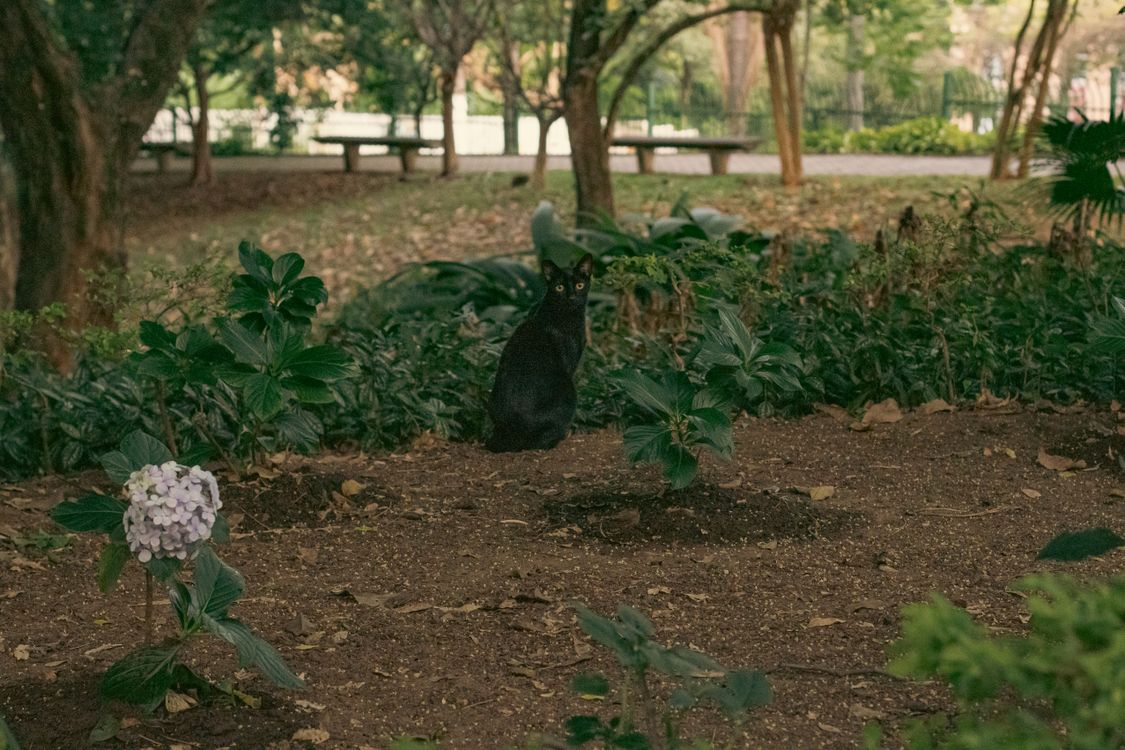
The simplest strategy is also the most reliable: do not bring carnations into a home with cats. If someone gifts you a bouquet, thank them warmly, then move the flowers to a cat-free zone or pass them on to a friend. Prevention beats treatment every time.
If carnations do end up in your home, these steps lower the risk:
- Use closed rooms. A home office or spare bedroom with a shut door is the safest spot for any vase.
- Go high, with caution. Cats climb, so a high shelf only works if your cat truly cannot reach it. Hanging planters help for potted plants.
- Clean up daily. Fallen petals and leaves on the floor become irresistible toys. Pick them up promptly.
- Guard the vase water. Refresh it often, and do not let your cat drink from the vase. Standing water can harbor bacteria and plant compounds.
- Offer legal alternatives. A pot of cat grass or catnip gives your cat something safe to chew.
- Add enrichment. Bored cats chew more. Daily play sessions, puzzle feeders, and a window perch redirect that energy.
- Try deterrents carefully. Citrus peels near an arrangement put some cats off. Pet-safe bitter sprays on the outside of a vase can help too, but check with your vet before using any product around your cat.
Plant safety is only one part of a cat-safe home. Household chemicals matter too. For example, our guide on whether Pine-Sol is safe for cats walks through another everyday product that deserves a second look.
Which flowers are safer alternatives for cat homes?
Roses are a safer choice. The ASPCA lists roses (Rosa species) as non-toxic to cats, dogs, and horses. Other cat-friendly options on the ASPCA’s non-toxic list include African violets and Phalaenopsis orchids. Always double-check any new plant against the ASPCA database before bringing it home.
You do not have to give up flowers to keep your cat safe. Start with roses. Because the ASPCA lists Rosa species as non-toxic to cats, a classic rose bouquet is one of the safest floral choices for a pet home. Trim the thorns or keep the vase out of paw range, and you are set.
Two more ASPCA-verified picks work beautifully as long-lasting potted plants. African violets (Saintpaulia spp.) are listed as non-toxic to cats, and so are Phalaenopsis orchids, also called moth orchids. Both bloom for weeks and add color without the worry that comes with carnations.
Follow two ground rules with any “safe” plant. First, verify every species in the ASPCA’s Toxic and Non-Toxic Plants database before you buy. Common names vary, so science beats guesswork. Second, remember that pesticides and fertilizers on store-bought plants can harm cats on their own. Rinse new plants and keep garden chemicals away from pets.
To keep building your cat-safe home, read our guide Are Pothos Toxic to Cats? next. Pothos is another extremely common houseplant, and the answer there is very different.
Frequently asked questions
Are carnations poisonous to cats, or just irritating?
In short: are carnations toxic to cats? Yes, says the ASPCA, but the effects are mild. Expect mild gastrointestinal signs and mild dermatitis, not organ damage. Still, “mild” is not a reason to ignore an exposure. Call your veterinarian for guidance.
Can my cat be in the same room as carnations?
The ASPCA’s listed risk comes from ingestion and skin contact, not from merely sharing a room. However, cats rub, sniff, and chew everything new. A bouquet in the same room is rarely truly cat-proof. The safest move is a closed room, or no carnations at all.
Which part of the carnation is toxic to cats?
The ASPCA entry does not break toxicity down by petals, leaves, or stems. Until clearer data exists, treat every part as unsafe: petals, leaves, stems, and fallen bits alike.
Are carnations toxic to dogs too?
Yes. The ASPCA lists carnations as toxic to dogs and horses as well as cats. The reported clinical signs are the same: mild gastrointestinal signs and mild dermatitis.
What is the most dangerous flower for cats?
True lilies (Lilium species) top the list. The ASPCA reports vomiting, inappetence, lethargy, kidney failure, and possible death in cats. Lily exposure is a veterinary emergency, so do not wait for symptoms to appear.
How can I check whether a plant is safe for my cat?
Search the ASPCA’s Toxic and Non-Toxic Plants database by common or scientific name, and check the “Toxicity” line for cats before you buy a plant or accept a bouquet. It is the fastest reliable answer to “is this plant safe for my cat?” for any species.



3 Comments
Pingback: Are Snake Plants Safe for Cats? No, They Are Toxic
Pingback: Are Snapdragons Toxic to Cats? Safe Flower Facts
Pingback: Are Hyacinths Toxic to Cats? Facts Every Owner Needs