




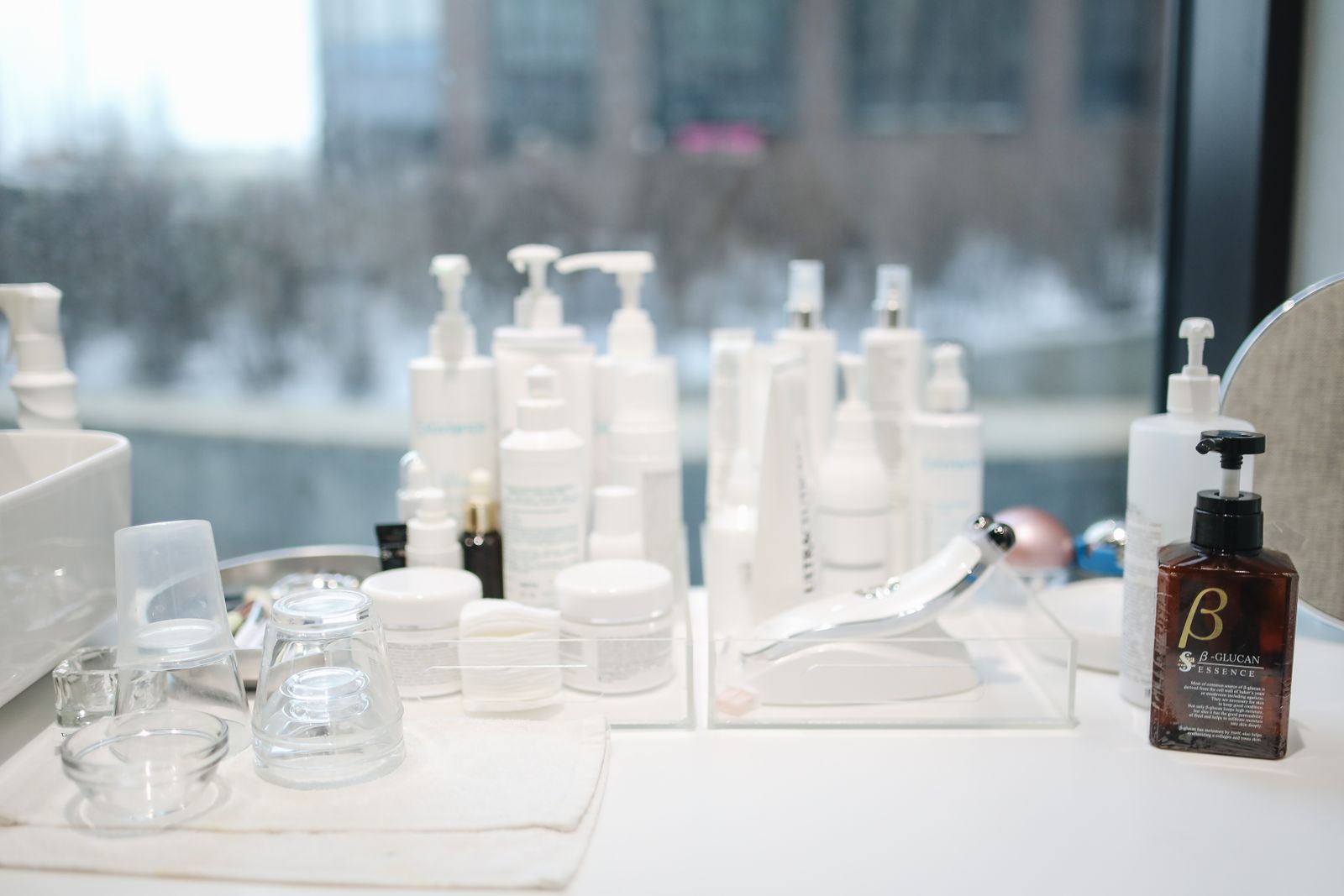
Choosing skin care products feels harder than it should. Shelves overflow with serums, creams, and cleansers. Every label promises fast and dramatic results. However, the best routine is usually the simplest one. It starts with your skin type, not with passing trends.
This guide shows you how to choose with confidence. First, you will learn how to identify your skin type. Next, you will see the core products that everyone needs. Then, you will learn what key ingredients actually do. Finally, you will build simple morning and evening routines. Along the way, you will skip the mistakes that waste money.

How to Identify Your Skin Type
Your skin type shapes every buying decision you make. A harsh cleanser can dry out already dry skin. Likewise, a rich cream can clog oily skin quickly. So, learn your type before you buy anything new.
Fortunately, the wash test makes this easy at home. First, wash your face with a gentle cleanser. Then, pat it dry and wait one full hour. During that hour, apply nothing to your skin. Afterward, study how your skin feels and looks.
- Normal skin feels comfortable, with no tight or shiny areas.
- Dry skin feels tight, rough, or flaky after washing.
- Oily skin looks shiny all over by midday.
- Combination skin is oily on the forehead, nose, and chin. However, the cheeks stay normal or dry.
- Sensitive skin stings, burns, or turns red very easily.
Also, remember that skin type can change over time. Weather, age, and hormones all play a part. Therefore, recheck your skin at each season change. Meanwhile, if your skin reacts often, choose gentle formulas. Our guide to gentle creams for sensitive skin compares mild options in detail.
In short, your shelf should reflect your skin, not a trending feed. When skin care products match your type, they work harder. They also tend to last longer between purchases. Fewer reactions mean less money wasted, too.
The Core Skin Care Products Everyone Needs
Most people need only four categories of skin care products. Everything beyond these four is optional. Master the basics first, then add extras slowly.
Cleanser
A cleanser removes dirt, oil, sunscreen, and makeup. Most people should cleanse once or twice daily. Dry and sensitive skin often needs only an evening wash. In the morning, plain water may be enough. Choose a gentle formula if your face feels tight afterward. On the other hand, oily skin may prefer a foaming gel.
Moisturizer
A moisturizer protects your skin barrier and limits water loss. Every skin type needs one, even oily skin. Oily skin does best with a light gel or lotion. In contrast, dry skin needs a richer cream. Look for ceramides on the label for dry skin. Apply moisturizer twice daily, onto slightly damp skin.
Sunscreen
Sunscreen is the single most important daily product. The American Academy of Dermatology recommends a broad-spectrum sunscreen with SPF 30 or higher. It also suggests choosing a water-resistant formula. Apply sunscreen every morning, even on cloudy days. Then, reapply it every two hours outdoors. No serum can repair daily sun damage later.
Treatments
Treatments target one specific concern at a time. Serums, exfoliants, and spot treatments all belong here. Add only one new treatment at a time. Then, give it several weeks before judging results. For example, students comparing acne options can read our guide to acne-prone skin care. It explains how to match products to breakouts.
Key Ingredients in Skin Care Products, Explained Simply
Ingredient lists look complex, but a few names matter most. Dermatologists mention five ingredients again and again. Each one below has a clear, specific job.
Retinol
Retinol is a type of retinoid, from vitamin A. It speeds up surface skin cell turnover. It also supports collagen as you keep using it. The American Academy of Dermatology says retinol can improve uneven tone, pigmentation, and texture. Start slowly, with two or three nights weekly. Use it only at night, because it raises sun sensitivity. Avoid it if your skin is very dry or allergy-prone.
Vitamin C
Vitamin C is a well-known antioxidant ingredient. It helps defend skin against daily environmental stress. Dermatologists say it can brighten and firm the skin’s look. It may also help dark spots fade over time. Many people apply it in the morning, under sunscreen.
Niacinamide
Niacinamide is a form of vitamin B3. The AAD notes that it helps reduce shiny skin and acne. It also suits most skin types, including sensitive skin. You will find it in many serums and moisturizers. Because it is gentle, beginners often start here.
Hyaluronic Acid
Hyaluronic acid is a humectant, so it attracts water. The AAD says it helps lock in water for hydration. It feels light and never greasy on skin. Therefore, oily skin usually tolerates it very well. Apply it to damp skin, then seal with moisturizer.
Salicylic Acid
Salicylic acid is a beta hydroxy acid, or BHA. It exfoliates inside pores, where oil collects. As a result, it helps unclog pores and smooth texture. That makes it useful for blackheads and breakouts. Start with a gentle product a few times weekly. Stop using it if your skin feels raw.
How to Choose Skin Care Products by Concern
Your main concern decides which treatment earns a place. Skin care products work best when each one has a job. Match the concern first, then check the ingredient list.
For Acne and Clogged Pores
Choose gel textures and oil-free moisturizers here. Salicylic acid helps keep pores clearer over time. Add one acne treatment only, and use it consistently. Also, look for “non-comedogenic” on labels where possible.
For Dark Spots and Uneven Tone
Vitamin C suits this concern in the morning. Retinol can help at night instead. Above all, daily sunscreen protects your progress. Without it, dark spots often return quickly.
For Fine Lines and Early Aging
Retinol is the classic evening choice here. Pair it with a ceramide moisturizer for comfort. Also, keep your expectations realistic and steady. Visible change takes weeks of consistent use.
For Dryness and Sensitivity
Choose cream cleansers and fragrance-free moisturizers. Hyaluronic acid adds water without heavy oils. Ceramides then support the barrier while skin recovers. Skip strong acids until your skin feels calm.
How to Build a Morning and Evening Routine
The right order for skin care products is simple. Apply products from thinnest to thickest texture. Each layer then absorbs before the next one.
In the morning:
- Cleanse gently, or rinse with water only.
- Apply a treatment or serum, like vitamin C.
- Add moisturizer for barrier support.
- Finish with sunscreen, always the last step.
In the evening:
- Cleanse away the day’s oil and sunscreen.
- Apply your treatment, like retinol or salicylic acid.
- Finish with a moisturizer layer.
You may have seen the seven-step routine online. It adds toners, essences, and masks between these steps. Those extras are fine, but they are not required. A short routine done daily beats a long skipped one. Consistency matters far more than the step count.
Also, keep your routine realistic on busy days. On rushed mornings, cleanser, moisturizer, and sunscreen are enough. On calm evenings, add your treatment step back in. In addition, store products away from heat and steam. Heat can shorten a product’s useful life. Finally, follow expiry dates rather than old habits.
Common Mistakes to Avoid
Good skin care products cannot fix bad habits. Watch for these common mistakes while you shop and apply.
- Buying for someone else’s skin. A friend’s favorite cream may fail you completely. Always match products to your own skin type.
- Adding everything at once. New products need space between introductions. Otherwise, you cannot tell which one caused a reaction.
- Skipping sunscreen on cloudy days. Clouds do not block all UV rays. Daily sunscreen still matters in dull weather.
- Over-exfoliating. More acid does not mean faster results. It usually means redness, peeling, and sore skin.
- Judging by price alone. Expensive skin care products are not always better. Ingredients and fit matter more than the price tag.
- Ignoring life stages. Pregnancy changes which ingredients suit you. Our pregnancy skin care comparison explains what to check first.
How to Patch-Test Skin Care Products
Even gentle skin care products can irritate some people. A patch test warns you before a full application. The AAD advises testing new products on small skin areas first.
- Apply a small amount inside your elbow crease.
- Alternatively, test behind your ear or jawline.
- Repeat the test daily for about a week.
- Watch for redness, itching, burning, or bumps.
- Stop at once if any reaction appears.
If nothing happens after a week, the product is likely safe for you. Then, add it to your routine slowly. Introduce only one new product every few weeks.
Frequently Asked Questions About Skin Care Products
What are the most common skin care products?
The most common are cleansers, moisturizers, sunscreens, and treatments. Cleansers wash the skin, while moisturizers protect its barrier. Sunscreen guards against daily UV damage. Treatments then target concerns like acne or dark spots. Together, these four cover nearly every basic need.
Which skin care products are the best?
The best skin care products match your skin type and concern. There is no single winner for everyone. A gentle cleanser, a suitable moisturizer, and daily sunscreen form the strongest base. After that, one treatment for your main concern is enough. “Best” describes a fit, not a price or label.
What skincare should I use for my skin type?
Dry skin needs cream cleansers and rich moisturizers. Oily skin suits gel cleansers and light lotions. Combination skin often mixes both approaches by zone. Sensitive skin needs fragrance-free, minimal formulas. When in doubt, choose fewer products with shorter ingredient lists. Also, judge comfort after two full weeks of use. Comfort, not tingling, signals a good match.
What is the 7-step skin care routine, and do I need it?
The seven-step routine layers cleanser, toner, essence, and serum. It then adds moisturizer, eye cream, and sunscreen or a night cream. It comes from Korean beauty traditions. You do not need all seven steps daily. The core four categories already cover healthy skin care.
Should I use a serum or a moisturizer first?
Always apply serum before moisturizer. Serums are thinner, so they absorb first. Moisturizer then seals everything in place. Think of it as thinnest to thickest, every time.
How can I get glowing skin, maybe within 7 days?
Realistically, glow builds over weeks, not days. Still, one week of basics can improve hydration and smoothness. Cleanse gently, moisturize twice daily, and wear sunscreen. Sleep well and drink enough water, too. Avoid harsh scrubs, because they dull skin through irritation.
Which brands make trustworthy skin care products?
No single brand is the best for every person. Instead of chasing rankings, judge each product on its merits. Look for clear ingredient lists and fragrance-free options for sensitive skin. Prefer brands that state ingredient strengths honestly. A trustworthy product suits your skin, not just bestseller lists.
What is my skin age, and does it matter?
Skin age compares your skin’s look with typical aging signs. Sun exposure can make skin look older than your years. However, it is a rough guide, not a diagnosis. Your skin type and concerns should guide purchases instead. Daily sunscreen remains the best defense against early aging signs.
