



Are African violets toxic to cats? No. Good news. African violets (Saintpaulia spp.) are non-toxic to cats. The ASPCA lists African violets as non-toxic to cats, dogs, and horses. So, you can keep these pretty flowering houseplants in a cat home. However, safe does not mean snack. Cats should not chew the leaves. Also, leaves, soil, and fertilizer can upset a tummy. This guide explains simple care and protection tips.
Are African violets toxic to cats?
No. African violets are not toxic to cats. The ASPCA lists Saintpaulia spp. as non-toxic to cats, dogs, and horses. Its entry gives the family as Gesneriaceae. It also gives Cape Marigold as another common name. So, a nibbled leaf is not a poisoning emergency. However, you should still watch your cat and protect the plant.
Start with the source. The ASPCA entry names the plant clearly. It lists the scientific name as Saintpaulia spp. It lists the family as Gesneriaceae. It also lists Cape Marigold as another common name. Most importantly, its toxicity line says non-toxic to cats. It says the same for dogs and horses too. You can check the entry on the ASPCA Toxic and Non-Toxic Plants list yourself.
However, non-toxic does not mean edible. The ASPCA also warns about plant material in general. In its list notes, it says eating any plant material may cause vomiting. It also says plant eating may cause stomach upset in cats. So, treat violets as safe decor. Do not treat them as cat food.
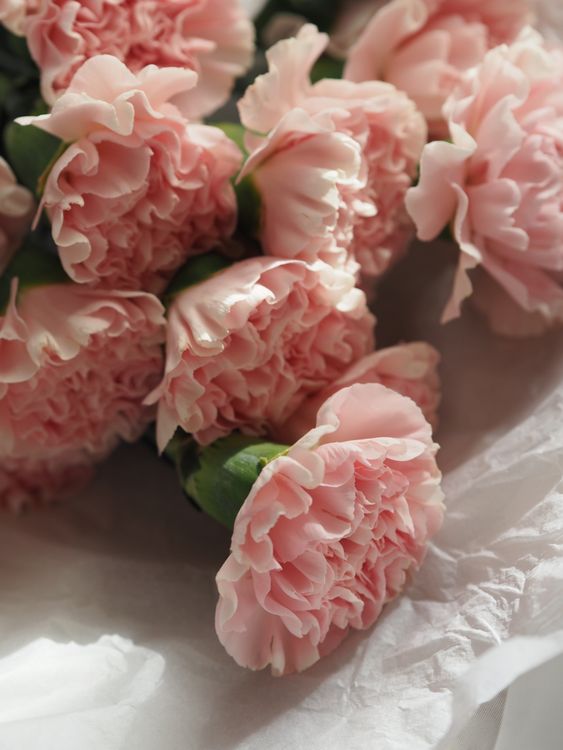
The contrast helps too. So, are African violets toxic to cats compared with carnations? No. The answers differ a lot. For example, our pillar guide asks are carnations toxic to cats? Yes, carnations are mildly toxic. African violets are not. So, flower choices matter a lot. Always check each plant on its own. Never guess from a flower’s soft look.
Why do cats chew African violet leaves?
Cats chew African violet leaves for simple reasons. The soft, fuzzy leaves feel interesting in the mouth. Also, the leaves move, smell green, and sit at cat height. Boredom plays a part too. So does curiosity. Some cats like the texture. Others chew when they want attention. In short, chewing is normal cat exploring, not hunger.
Texture comes first for many cats. African violet leaves feel soft and thick. They also feel slightly fuzzy on the tongue. A gentle bite gives quick feedback. Then, a torn leaf smells green and fresh. That smell can pull a cat back. So, one small nibble often becomes a habit. The good news stays the same, though. Even with chewing, are African violets toxic to cats? No, they are not.
Boredom comes next for indoor cats. A still home can feel dull by noon. However, a plant on a sill moves in a breeze. Its leaves flutter like a toy. Also, a cat can bat a leaf and watch it spring back. In short, the plant acts like free play.
Attention can play a part too. Some cats learn fast. Chewing a plant brings you into the room. Also, some cats seek greens by instinct. Cat grass meets that urge in a safer way. However, constant chewing needs a vet check. Sudden chewing can signal a health issue. So, watch for big changes.
How can you keep cats away from houseplants?
You can keep cats away from houseplants without punishment. First, move African violets to a high, stable shelf or a closed room. Next, offer cat grass and toys instead. Also, play with your cat every day. Then, clean fallen leaves at once. In short, make the plant hard to reach. Make legal chewing easy and fun.
Try these simple steps first:
- Move the pot. Put violets on a high, stable shelf or a plant stand. Check that your cat cannot jump up easily.
- Use a closed room. A sunny spare room with a shut door works well. This step helps during training weeks.
- Offer cat grass. Grow a small pot of cat grass near your cat’s bed. Praise your cat for chewing that pot instead.
- Add daily play. Use a wand toy twice a day. Short play sessions burn energy and cut boredom chewing.
- Clean fallen leaves fast. Fallen leaves on the floor look like toys. Pick them up the same day.
- Store plant food away. Keep fertilizer and leaf shine in a closed cupboard. Cats should never reach plant products.
Also, skip harsh sprays and loud alarms. These tools can scare your cat. Worse, fear can harm trust at home. Instead, reward good choices with treats and praise. Over time, most cats learn the new rules. In short, kind training works better than punishment.
How do you care for African violets in a cat home?
You can care for African violets well in a cat home. Give bright, indirect light. Keep soil lightly moist, not wet. Water from below when you can. Also, keep water off the fuzzy leaves. Leaves can spot when wet. Next, use a snug pot with drainage. Finally, feed lightly in spring and summer. Simple care works best.
Light matters most for flowers. Put the pot near a bright window. However, keep harsh noon sun off the leaves. Direct sun can scorch soft leaves. Also, turn the pot each week. Even turning helps the plant grow straight. In addition, keep the plant away from cold drafts.
Follow these care habits too:
- Water from below. Set the pot in shallow water for twenty minutes. Then, drain the pot well.
- Keep leaves dry. Dry leaves stay clean and spot free. Wet fuzz can mark and rot.
- Use a snug pot. African violets bloom well in small pots. Choose a pot with a drainage hole.
- Feed with care. Feed lightly in spring and summer only. Store all plant food away from your cat.
Finally, check leaves each week. Remove dead flowers and leaves at once. This habit keeps the plant neat. It also removes easy targets for chewing. Also, repot only when roots fill the pot. Use fresh, light potting mix made for violets. Overall, steady care keeps blooms coming. And once more, are African violets toxic to cats in a well-run cat home? No. Placement and care solve most issues.
Which other flowering plants are safe for cats?
Many other flowering plants are safe for cats. The ASPCA lists roses as non-toxic to cats. It also lists Phalaenopsis orchids as non-toxic. Gerber daisies are another safe choice. African violets also belong on that safe list. However, check every plant by its scientific name first. Common names can mislead buyers. So, always verify before you buy.
Roses make a classic safe choice. The ASPCA lists Rosa species as non-toxic to cats. So, a rose bouquet suits a cat home well. Still, watch the thorns on stems. Thorns can scratch a curious nose or paw. Also, remove leaves that fall.
Orchids bring long blooms indoors. The ASPCA lists Phalaenopsis orchids as non-toxic to cats. Gerber daisies bring bright color too. The ASPCA lists Gerber daisies as non-toxic as well. Both plants work well in pots. Both also suit bright rooms and gifts.
Still, check every new plant first. Search the ASPCA list by scientific name. Common names can repeat across species. Also, think about mixed bouquets with care. One safe flower can sit beside a risky one. For contrast, read our guide on whether carnations are safe for cats next. It shows why each flower needs its own check.
Frequently asked questions
Can cats eat African violet leaves?
Cats should not eat African violet leaves on purpose. The plant is non-toxic, per the ASPCA. However, leaves are not cat food. Eating a lot of plant material may upset a stomach. Also, soil and fertilizer add extra risk. So, move the plant and offer cat grass instead.
Are African violets safe for kittens?
Yes. The ASPCA listing covers cats, and African violets are non-toxic. However, kittens chew more than adult cats. They explore each new object with their mouths. So, keep violets out of kitten reach at first. Then, introduce plants slowly as training improves. In short, safe plant, extra care.
Are African violets toxic to dogs?
No. The ASPCA lists African violets as non-toxic to dogs too. It also lists them as non-toxic to horses. So, multi-pet homes can relax on this plant. However, dogs should not eat leaves either. Any plant material may cause vomiting or stomach upset. So, use the same placement rules.
What should you do if your cat eats an African violet?
Stay calm first. Then, remove the plant and check the leaves. Note how much your cat ate. Next, watch for vomiting or loose stool. Call your vet if signs last or worry you. You can also call ASPCA Poison Control at (888) 426-4435. Overall, expect a mild case, not poisoning.
How can I check if a plant is safe for my cat?
Start with the ASPCA plant list online. Search by common name first. Then, confirm the scientific name on the plant label. Check the toxicity line for cats with care. If a plant has no listing, ask your vet. In short, are African violets toxic to cats? No. But always check each new plant.