


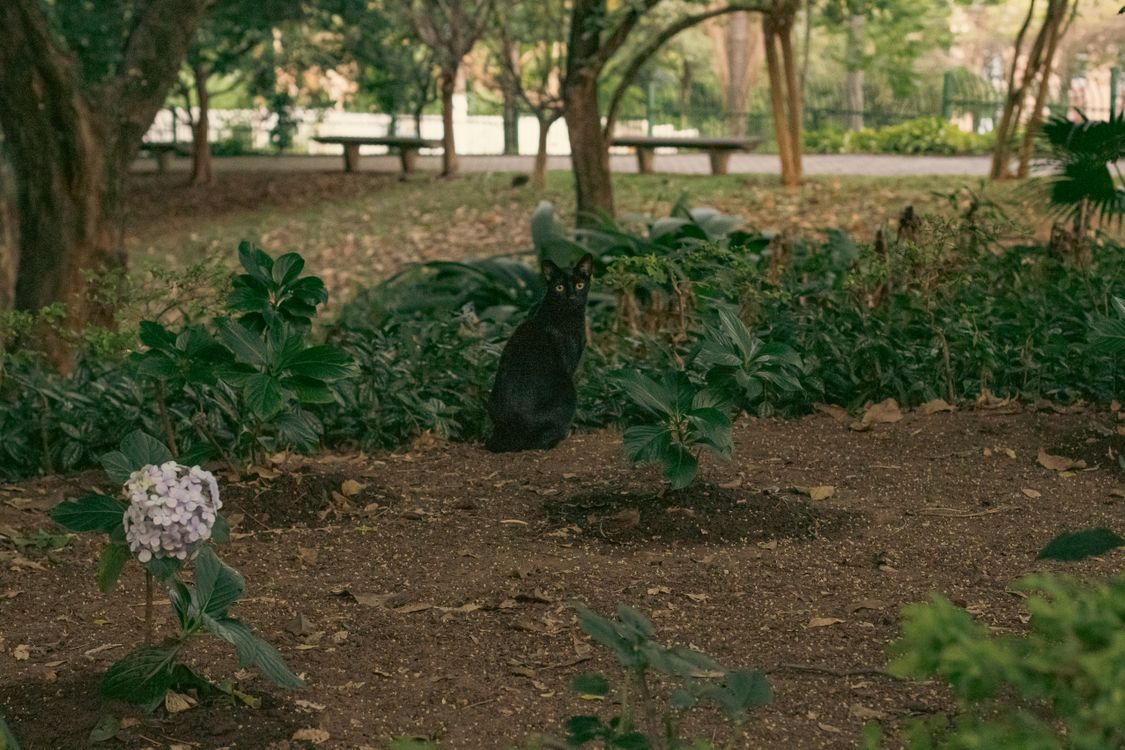
Are hyacinths toxic to cats? Yes. The ASPCA lists hyacinths (Hyacinthus orientalis) as toxic to cats, dogs, and horses. A cat that eats hyacinth may face intense vomiting and diarrhea. The ASPCA also lists depression and tremors as clinical signs. Still, you can lower the risk with simple steps. Keep bulbs and blooms away from your cat, and consult a veterinarian after any exposure.
Are hyacinths toxic to cats?
Yes. Are hyacinths toxic to cats? The ASPCA says yes, and it lists Hyacinthus orientalis as toxic to cats. The plant sits in the Liliaceae family. Also, the ASPCA names possibly narcissus-like alkaloids as the toxic principles. So, no part of this spring flower deserves a safe label at home.
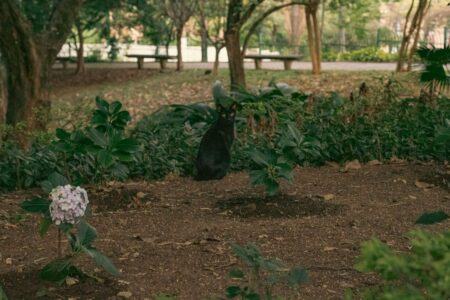
Hyacinths fill gardens, pots, and vases each spring. Their scent is strong and sweet. Also, their blooms bring rich spring color indoors. Shades include pink, purple, white, blue, and yellow. Cats notice these new plants fast. First, a cat may sniff the leaves. Then, it may bat the flower spike. Finally, it may chew a leaf or petal.
This guide uses only facts from the ASPCA. First, we checked the ASPCA hyacinth entry directly. Then, we matched each claim in this post to that entry. You can read the full entry in the ASPCA’s Hyacinth plant listing. Also, the entry gives a clear, short answer. It leaves no room for doubt.
This post is part of a wider flower safety series. For example, our pillar guide, Are Carnations Toxic to Cats? A Complete Safety Guide, covers another popular bloom. Both posts rest on ASPCA listings. So, you can compare flowers with one trusted source. In short, check the plant before you place it.
Which part of the hyacinth is most dangerous?
The ASPCA entry does not rank hyacinth parts by risk. It lists the whole plant, Hyacinthus orientalis, as toxic to cats. So, owners should treat bulbs, leaves, stems, and flowers as unsafe. In practice, bulbs need extra guarding. Cats can dig up bulbs and chew them in large bites. That settles are hyacinths toxic to cats for each part.
Bulbs create extra risk at planting time. Gardeners handle loose bulbs in autumn and spring. Also, forced bulbs grow indoors in winter pots. So, cats meet bulbs on tables, counters, and floors. A stored bulb looks like a small toy. Then, a playful cat may carry it off.
Still, do not treat the blooms as the safe part. The ASPCA entry names no safe part at all. In fact, it lists the plant as a whole. So, guard the flowers, leaves, and stems too. Also, pick up fallen petals and leaves fast. Curious cats chew what lands on the floor.
Size also matters when you judge an exposure. A cat that chews one whole bulb eats more plant at once. By contrast, a cat may only nibble one petal tip. However, only a veterinarian can judge your cat’s case. So, note which part your cat ate. Then, share that detail when you call.
What happens if a cat eats hyacinth?
If a cat eats hyacinth, the ASPCA lists intense vomiting and diarrhea as clinical signs. Diarrhea may occur occasionally with blood. Also, the ASPCA lists depression and tremors. So, are hyacinths toxic to cats in a serious way? Yes. These signs affect the gut and the whole body, so act fast.
First, look at the gut signs on the ASPCA list. Intense vomiting can leave a cat weak and sore. Also, repeated vomiting can dry a cat out fast. Diarrhea adds more fluid loss and mess. In some cases, the ASPCA notes blood in the diarrhea. So, bloody stool needs prompt veterinary advice.
Next, watch for the whole-body signs. The ASPCA lists depression as a clinical sign. In plain terms, a cat may hide and lose interest. It may also eat less and sleep more. Also, the ASPCA lists tremors. Tremors mean shaking that a cat cannot control. So, shaking needs urgent veterinary advice.
Each cat reacts in its own way. Age, size, and health all shape the picture. Amount eaten shapes the picture too. Kittens and senior cats have less reserve. Cats with chronic illness also have less reserve. So, do not grade the risk by eye. Instead, call your veterinarian and describe the signs.
What should you do if your cat ate hyacinth bulb?
If your cat ate a hyacinth bulb, move your cat away from the plant at once. Then save a sample or photo for identification. Next, call your veterinarian and follow their advice. Also, you can call ASPCA Poison Control at (888) 426-4435. Do not wait for signs to start.
Stay calm and work through these steps in order:
- Move the plant away. Put the bulbs, pot, and loose leaves out of reach. Check the floor, soil, and nearby rugs for pieces.
- Check your cat. Look for plant bits in the mouth and on the paws. Note any vomiting, diarrhea, hiding, or shaking.
- Gather the facts. Note which part your cat ate and how much. Also note the time, and take a clear photo.
- Call your veterinarian. Describe the plant, the part, and the signs. Do not induce vomiting. Do not use home remedies unless your vet says so.
- Consider poison control. The ASPCA Poison Control Center can advise you at (888) 426-4435. The ASPCA notes that a consultation fee may apply.
- Monitor your cat closely. Watch for vomiting, diarrhea, depression, and tremors. Call again if signs start, spread, or worsen.
Owners often ask are hyacinths toxic to cats after a scare. One rule covers each case here. When in doubt, ask a professional at once. This guide can support your judgment. However, it cannot replace your veterinarian’s advice. So, make the call early, every time.
How can you enjoy spring bulbs safely with cats?
You can enjoy spring bulbs safely with clear barriers and smart placement. Keep hyacinths in closed rooms or outdoor spots your cat cannot reach. Also, store loose bulbs in sealed bins. Then choose ASPCA-listed non-toxic flowers for indoor vases. Finally, check every new plant in the ASPCA database before you buy it.
These habits keep spring color and cats apart:
- Use closed rooms. Keep vases and forced pots behind a shut door. A spare room or home office works well.
- Store bulbs with care. Seal loose bulbs in bins with tight lids. Store the bins in closed cabinets or sheds.
- Plant with barriers outdoors. Choose beds your cat cannot reach or patrol. Then, watch digging spots after you plant new bulbs.
- Clean up each week. Pick up fallen petals, leaves, and loose soil. Also, refresh vase water and wipe the table.
- Offer safe chewing choices. Grow cat grass in a cat-safe spot. Also, add play time, perches, and puzzle feeders.
- Check each plant first. Search the ASPCA’s Toxic and Non-Toxic Plants database before you buy. Common names vary, so check the scientific name too.
Indoor plants need the same check as bulbs. For example, our guide Are Pothos Toxic to Cats? covers a common houseplant. Its answer surprises many new plant owners. So, build one habit for all plants. Check first, then buy, then place with care.
Gifts need care too. Friends may send spring bouquets with hyacinths inside. First, thank them and check each flower type. Then, move unsafe blooms to a cat-free room. Or, pass the bouquet to a cat-free home. Finally, enjoy the safe flowers with peace of mind.
Frequently asked questions
Here are short answers to common owner questions. Each answer rests on the ASPCA hyacinth entry. For any real exposure, consult your veterinarian.
Are hyacinths toxic to cats, or only a mild risk?
Are hyacinths toxic to cats in a mild way only? The ASPCA does not call these signs mild. It lists intense vomiting and diarrhea. It also lists depression and tremors. So, treat hyacinths as a real poison risk. Then, call your veterinarian after any bite.
Are hyacinths toxic to dogs too?
Yes. The ASPCA lists hyacinth as toxic to dogs and horses, plus cats. The entry gives one set of clinical signs. Signs include intense vomiting, diarrhea, depression, and tremors. So, keep bulbs and blooms away from dogs too. Then, call your veterinarian after any exposure.
Can my cat be in the same room as hyacinths?
The ASPCA risk comes from a cat eating the plant. However, cats sniff, rub, and chew new blooms. So, a shared room still holds real risk. A vase on a table rarely stays cat-proof. Instead, place hyacinths in a closed room. Or, keep them in a cat-free home.
Is any part of a hyacinth safe for a cat to eat?
No. The ASPCA entry lists the whole plant as toxic to cats. It names no safe part for cats to eat. So, treat bulbs, leaves, stems, and flowers as unsafe. Even one bite deserves a call to your veterinarian. Then, follow their advice for your cat.
How can I check whether a spring bulb is safe for my cat?
Search the ASPCA’s Toxic and Non-Toxic Plants database by plant name. Then, check the Toxicity line for cats before you buy. Use the scientific name when you can find it. Common names can point to different plants. Finally, repeat the check for each new bulb. That habit answers are hyacinths toxic to cats for each new plant.