





Vinegar isn’t classified as toxic to cats, but calling it “safe” oversimplifies a more nuanced answer. Diluted household vinegar is commonly used around cats for cleaning without causing harm. Undiluted vinegar, though, can irritate a cat’s mouth, stomach, or skin on contact. The difference comes down to concentration and exposure amount — not a simple yes-or-no label.
No formal veterinary studies have tested vinegar ingestion in cats specifically. Most guidance comes from general knowledge of acetic acid’s effects on animal tissue rather than cat-specific research. That gap matters, because it means claims on either extreme — “completely harmless” or “highly dangerous” — go further than the actual evidence supports.
What Makes Vinegar Risky for Cats
Household vinegar is a diluted solution of acetic acid. It typically makes up 4% to 8% of distilled white vinegar and roughly 5% of apple cider vinegar. That concentration works fine for human food use, but cats are smaller and more sensitive to acidic substances than people are.
Direct Contact and Irritation
Undiluted vinegar touching a cat’s mouth, eyes, or skin can cause irritation. Think redness, discomfort, or a burning sensation similar to what you’d feel from a strong acid on sensitive tissue. Swallowing a meaningful amount can also upset the stomach and trigger vomiting.
Why Grooming Habits Matter Here
Cats groom themselves constantly, so vinegar that lands on their fur often ends up ingested anyway. A cat doesn’t need to drink vinegar directly for exposure to happen — a splash on the paws during cleaning, followed by normal grooming, delivers the same result.
Can Cats Drink Vinegar?
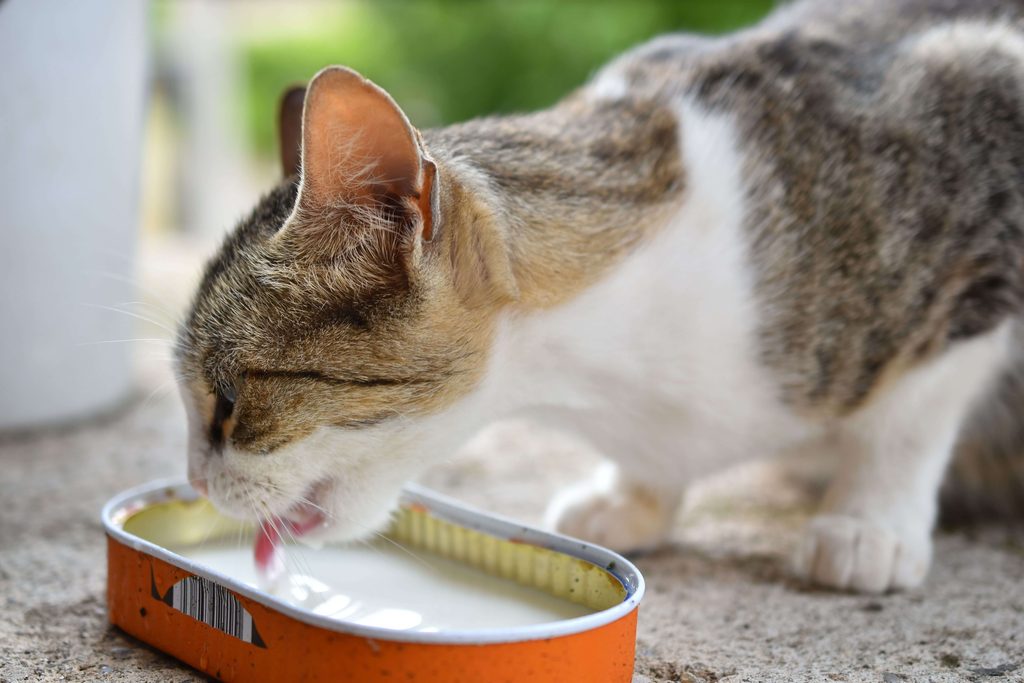
Cats shouldn’t drink vinegar, and in practice, most won’t choose to. Cats generally dislike both the smell and taste of vinegar. That dislike makes voluntary drinking rare even when it’s accessible. The real risk comes from accidental exposure instead — vinegar left in an open container, a splash during cleaning, or a cat walking through a freshly mopped floor and later grooming its paws.
A small accidental ingestion is unlikely to cause serious harm, since cats tolerate small doses of acidic substances reasonably well. Larger or repeated ingestion raises the odds of gastrointestinal irritation.
Is Diluted Vinegar Safe for Cleaning Around Cats?
Diluted vinegar — mixed with water — works as a pet-safer alternative to harsher chemical cleaners like bleach or ammonia. People commonly use it on counters, floors, and even litter boxes. Vinegar’s acidity helps neutralize the alkaline salts that dried cat urine leaves behind, which is why it shows up often in litter box cleaning routines.
Why Dilution Changes the Risk
The key word is diluted. Any residue left on a surface a cat walks or sits on sits far below the concentration of vinegar straight from the bottle. That lowers the irritation risk significantly. Rinsing surfaces with water afterward reduces lingering residue even further, cutting down what a cat might later lick off its paws.
Does Apple Cider Vinegar Actually Help Cats?
A common claim says apple cider vinegar helps with fleas, ear infections, or general cat health when used topically or added to food. This claim doesn’t hold up well against actual veterinary guidance. PetMD has stated directly that apple cider vinegar does not kill fleas, despite its popularity as a home remedy. No solid veterinary evidence supports vinegar as an effective ear or skin treatment for cats either.
The Hidden Downside of Topical Use
Beyond not working as claimed, topical apple cider vinegar carries its own risk. Cat skin runs thinner and more sensitive than human skin, so acidic exposure can cause redness, irritation, and discomfort instead of any health benefit. If a specific health issue is the actual concern — fleas, ear infections, skin problems — a vet-recommended, cat-specific treatment works more reliably than a vinegar-based home remedy.
When Vinegar Becomes a Real Problem
Kidney Disease Changes the Calculation
The clearest exception to “vinegar isn’t dangerous” involves cats with kidney disease. Vinegar’s acidity can interfere with the body’s acid-base balance. Cats with compromised kidney function have less ability to compensate for that shift. Because of this, vinegar in any form — diluted or not — generally isn’t recommended for cats with known kidney issues without a vet’s input first.
Large or Repeated Exposure
Mild irritation can escalate with large-volume or repeated ingestion. This stays rare, since cats dislike vinegar’s smell and taste enough to avoid it most of the time. But without an established safety threshold for cats specifically, caution matters more than precision here.
Household Vinegar Types Compared
| Vinegar Type | Typical Acetic Acid % | Common Use | Cat Safety Note |
|---|---|---|---|
| White distilled vinegar | 4–8% | General cleaning, litter box odor | Safe diluted; avoid undiluted contact |
| Apple cider vinegar | ~5% | Claimed home remedies (unproven) | No verified benefit; skin irritation risk if undiluted |
| Cleaning/industrial vinegar | Up to 20% | Heavy-duty cleaning, weed control | Significantly more corrosive — keep away from cats entirely |
That last row matters more than most articles mention. Cleaning vinegar sold for tougher jobs carries considerably more acidity than kitchen vinegar. Treating it the same as diluted household vinegar is a mistake that could genuinely cause harm.
Common Mistakes Cat Owners Make With Vinegar
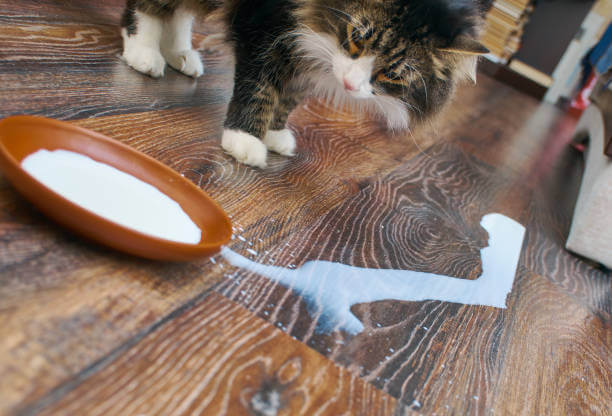
Assuming all vinegar is the same strength. Mixing up standard white vinegar with concentrated cleaning vinegar is an easy error, and the acidity gap between them is large enough to matter for a cat’s safety.
Using undiluted vinegar directly on fur or skin. Even when the goal is pest control or odor removal, skipping the dilution step removes the main thing that makes vinegar reasonably safe around cats.
Not rinsing cleaned surfaces. Leaving vinegar residue on floors or counters means a cat’s paws — and eventually their mouth, through grooming — pick up more concentrated exposure than necessary.
Treating apple cider vinegar as a proven remedy. Popular claims around fleas and ear health aren’t backed by veterinary evidence. Using it that way adds irritation risk without the promised benefit.
What to Do If Your Cat Has Vinegar Exposure
Watch for signs of discomfort — drooling, pawing at the mouth, mild vomiting — if your cat has licked a small amount of diluted vinegar residue. Minor exposure like this often resolves without intervention. Contact a veterinarian or a pet poison control line instead if your cat has consumed a notable amount of undiluted vinegar, gotten concentrated cleaning vinegar on its skin, or shows ongoing symptoms like repeated vomiting or visible distress.
FAQs
Is vinegar poisonous to cats?
No, vinegar isn’t classified as a poison or toxin for cats. Undiluted vinegar can still cause irritation to the mouth, stomach, or skin, though, which remains a real risk even though it doesn’t meet the definition of toxicity.
Can I use vinegar to clean my cat’s litter box?
Yes, diluted vinegar is commonly used to clean litter boxes because its acidity helps break down the alkaline salts left by dried urine. Rinsing the box afterward reduces any residue your cat might contact.
Does vinegar repel cats?
Yes, cats generally dislike the strong smell of vinegar, which makes it a popular natural deterrent for keeping them away from specific furniture, plants, or areas of a house. This works because the smell alone discourages approach, not because of any physical effect.
Is apple cider vinegar better than white vinegar for cats?
Not meaningfully. Both carry similar acetic acid concentrations, and neither has solid veterinary evidence behind the health claims — like flea prevention — often associated with apple cider vinegar specifically.
Can vinegar fumes hurt my cat?
Inhaling vinegar fumes can cause mild respiratory irritation in some cats, particularly in a poorly ventilated space during cleaning. This usually passes quickly, and ventilating the area while cleaning reduces any discomfort.




1 Comment
Pingback: Is Pine-Sol Safe for Cats? Pine Oil, Risks & Safe Use